Table of Contents
Raccoon droppings can carry Baylisascaris procyonis (raccoon roundworm), a dangerous parasite that spreads through contaminated soil, attic dust, and surface contact. Cleaning droppings the wrong way can aerosolize eggs and put your household at risk. Here is how to clean raccoon droppings safely, step by step.
Health Disclaimer: This article is for informational purposes only and is not a substitute for professional medical advice, diagnosis, or treatment. If you or a family member has been exposed to raccoon droppings and develops symptoms, contact a healthcare provider immediately. For large infestations or attic contamination, consult a certified wildlife cleanup professional.
Key Takeaways
- Baylisascaris is dangerous: Raccoon roundworm eggs can survive for years and cause severe neurological damage if ingested.
- Never dry sweep or vacuum: Disturbing dried droppings aerosolizes microscopic eggs. Always wet the area with a bleach solution first.
- Wear full PPE: An N95 respirator, heavy duty rubber gloves, and disposable coveralls are essential for safe cleanup.
Why Raccoon Droppings Are Dangerous
Raccoons (Procyon lotor) are the primary host of Baylisascaris procyonis, a roundworm that lives in their intestinal tract. An infected raccoon sheds millions of microscopic eggs in its feces every day. These eggs are not visible to the naked eye, and they are extremely resilient.
Baylisascaris eggs become infectious about two to four weeks after being deposited. Once they are infective, they can remain viable in soil, wood, attic insulation, and on surfaces for years, even through freezing temperatures and summer heat.
Humans and pets can accidentally ingest these eggs by touching contaminated surfaces and then touching their mouth, or by breathing in dust that contains eggs. Once inside the body, the larvae hatch and migrate through organs and tissues, including the brain. This condition, called neural larva migrans, can cause severe neurological symptoms and has been fatal in some cases, particularly in children.
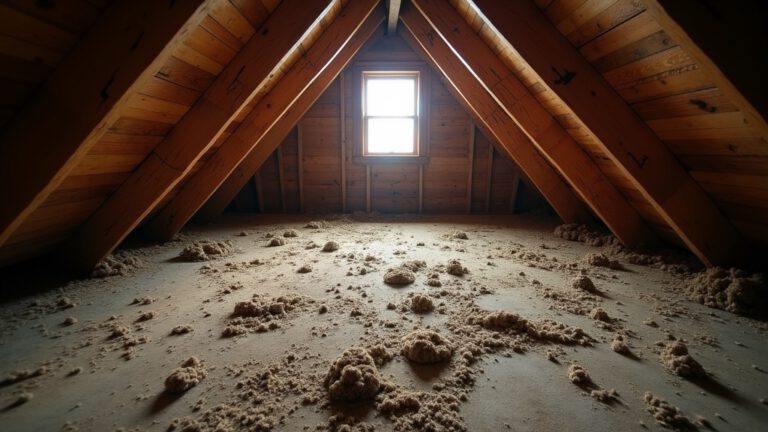
Raccoons often return to the same spot to defecate, creating concentrated areas of contamination called raccoon latrines. Common latrine spots include the base of trees, woodpiles, roofs, decks, and attics. Finding a pile of droppings in one area repeatedly is a strong sign that raccoons are active nearby.
Step by Step: How to Clean Raccoon Droppings Safely
1 Gear Up with Proper PPE
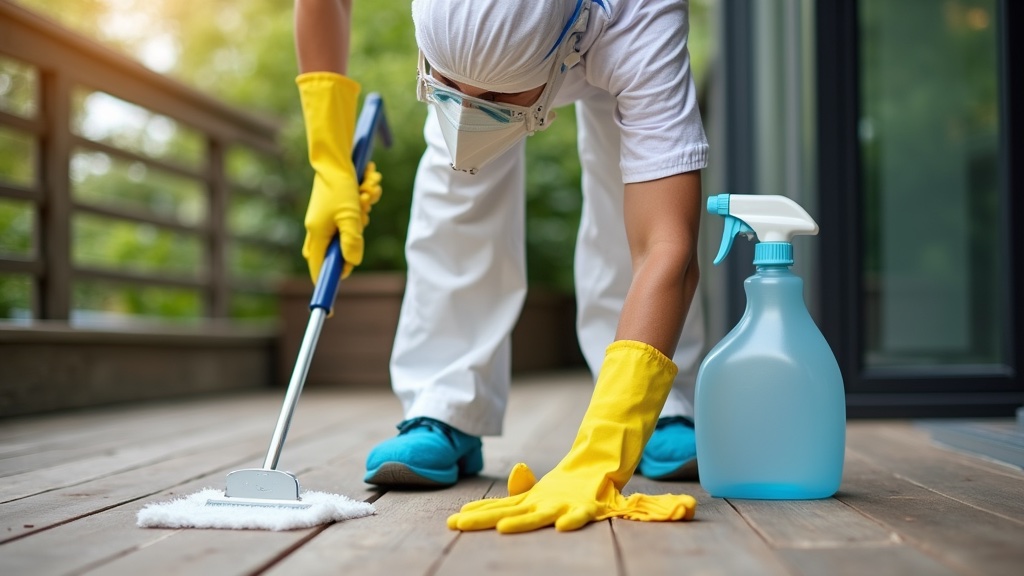
Before you touch anything, put on the right protective equipment. Baylisascaris eggs are microscopic and can become airborne if disturbed. Wear an N95 respirator mask (not a cloth or surgical mask; N95 or higher filtration is required). Put on heavy duty rubber gloves that reach past your wrists, and disposable coveralls or a Tyvek suit to keep contaminated dust off your clothes and shoes. If you are working in an attic or enclosed space, also wear safety goggles to protect your eyes from airborne particles.
2 Prepare a Bleach Solution
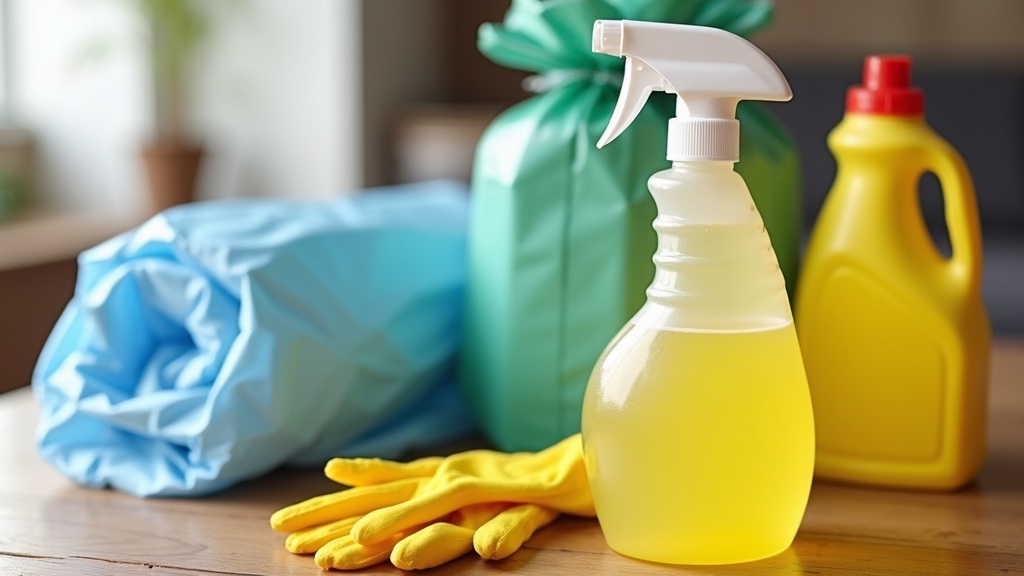
Mix a 1:9 ratio of bleach to water (one part bleach to nine parts water) in a spray bottle. This concentration is strong enough to kill Baylisascaris eggs on contact. Label the bottle clearly and keep it away from children and pets. Do not dry sweep or vacuum the droppings because sweeping sends eggs into the air where you can inhale them. Always spray the droppings and the surrounding area thoroughly with the bleach solution before attempting any removal.
3 Remove and Bag the Droppings
After letting the bleach solution soak for at least five minutes, use a plastic scoop or disposable scraper to carefully lift the droppings into a heavy duty trash bag. Avoid any sudden movements that could splash contaminated liquid. Once all visible material is collected, double bag it by placing the first bag inside a second bag, and seal both tightly. Dispose of the bags in an outdoor trash container with a secure lid. Do not leave them in your garage or basement.
4 Disinfect the Area
After removing the droppings, respray the entire area with your bleach solution and let it sit for at least 10 minutes to fully disinfect. For hard surfaces like concrete, wood decks, or tile, scrub with a disposable brush and rinse with water. For attic areas, insulation, or crawl spaces, use a HEPA vacuum (not a standard shop vac, which will blow eggs back into the air) after the bleach treatment to remove fine contaminated particles. Any porous materials like soiled insulation or cardboard should be bagged and removed entirely. They cannot be fully disinfected.
Frequently Asked Questions
How long do raccoon roundworm eggs live on surfaces?
Baylisascaris eggs can remain infectious for years in the environment. They are resistant to most weather conditions and standard disinfectants. Only a bleach solution at a 1:9 ratio or heat above 62°C (143°F) is reliably effective at killing them.
Can you get sick from cleaning raccoon poop?
Yes. If you disturb dried droppings without wetting them first, microscopic eggs can become airborne and inhaled. This is why proper PPE and the wetting method are essential. Even a single accidental ingestion of infective eggs can lead to serious illness.
How much does professional raccoon dropping cleanup cost?
Professional wildlife cleanup and attic remediation typically ranges depending on the extent of contamination. Most companies provide a free inspection and estimate. If the droppings are in an attic or have contaminated insulation, professional removal is strongly recommended.
How do I prevent raccoons from coming back?
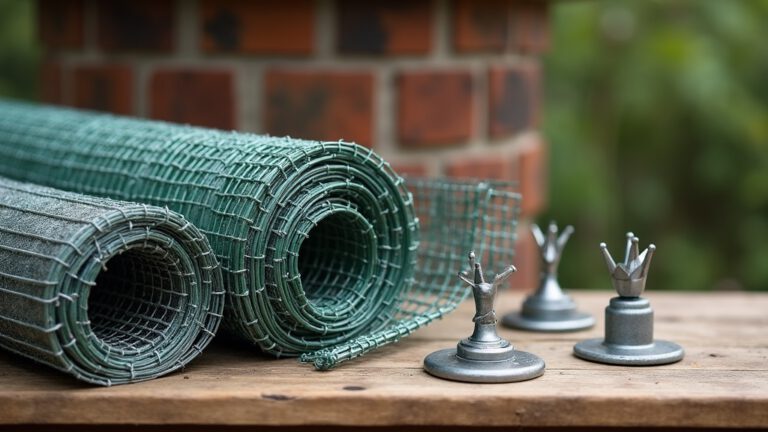
Exclusion is key. Seal all entry points larger than 1/4 inch with galvanized hardware cloth or metal flashing. Trim tree branches that overhang your roof, secure trash bins with locking lids, and remove outdoor pet food. Once the latrine site is cleaned and the raccoons are excluded, they will find a new territory.
Why Trust Us
WildAnimalsCentral.com has been covering wildlife control, prevention, and safety for homeowners since 2018. Our articles are researched using peer reviewed veterinary and public health sources, including the Centers for Disease Control and Prevention (CDC) and peer reviewed journals on zoonotic disease. We do not recommend products or methods we would not use in our own homes.
This article is for informational purposes only. Always consult a licensed wildlife removal professional or healthcare provider for your specific situation.