Table of Contents
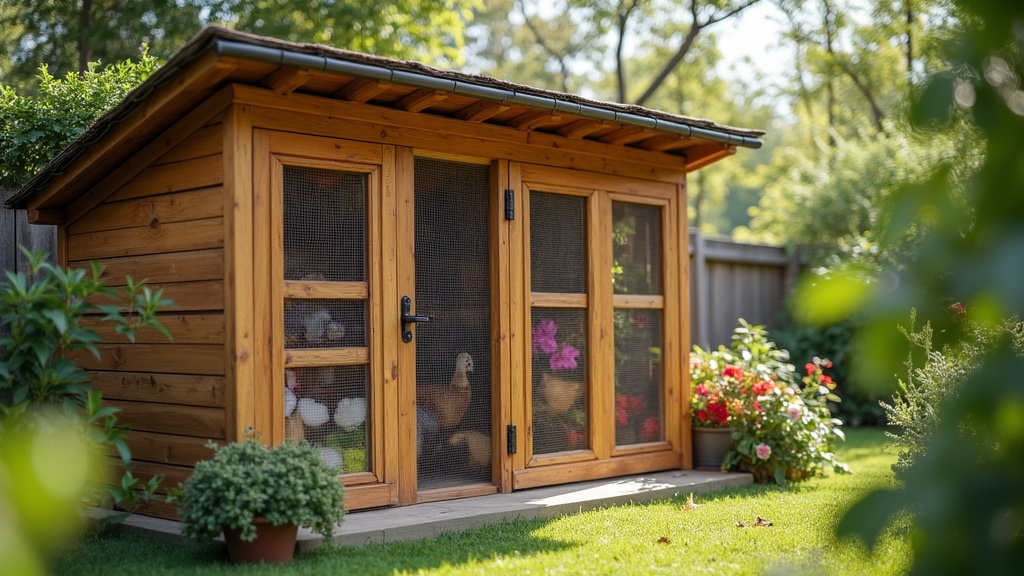
Raccoons can pry open coops with 15 pounds of force and squeeze through gaps as small as 3 to 4 inches. If you keep chickens, a raccoon will test your coop tonight. Here is how to raccoon-proof it step by step, from 1/2 inch hardware cloth to double-latch mechanisms that stop Procyon lotor.
Disclaimer: As an Amazon Associate, we earn from qualifying purchases. Content is AI assisted and expert verified. Recommendations are based on testing and research.
Key Takeaways
Key Takeaways
- Use 1/2 inch hardware cloth, not chicken wire: Raccoons tear through standard chicken wire. Galvanized 1/2 inch mesh is the only reliable barrier.
- Install double-latch mechanisms on every door: A raccoons dexterous forepaws have 4x the tactile sensitivity of human hands. Simple latches are no match.
- Bury hardware cloth 12 inches deep at a 45 degree outward angle: This underground apron stops raccoons from tunneling under your coop walls.
- Combine exclusion with deterrents: Motion lights, ultrasonic devices, and scent repellents add a vital second layer of defense.
In This Guide
In This Guide
Materials You Will Need
Materials Checklist
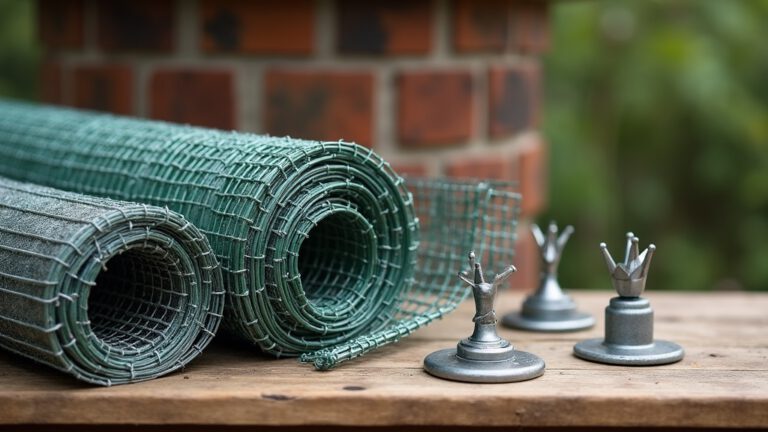
- 1/2 inch hardware cloth (12-gauge galvanized wire)
- Anti-climb spikes for roof edges and fence tops
- Galvanized screws and washers for securing mesh
- Double-latch mechanism (carabiner or spring-loaded lock)
- Dig Defence animal barrier or extra hardware cloth
- One-way exclusion door for raccoons already inside
How to Raccoon-Proof Your Chicken Coop
Step 1: Inspect the Coop Inside and Out
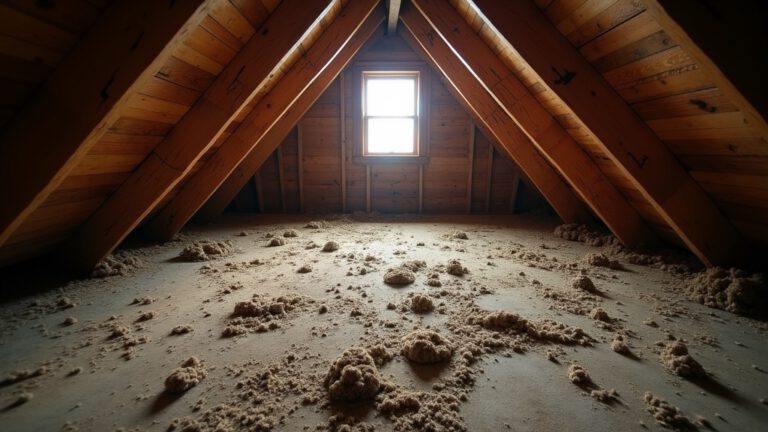
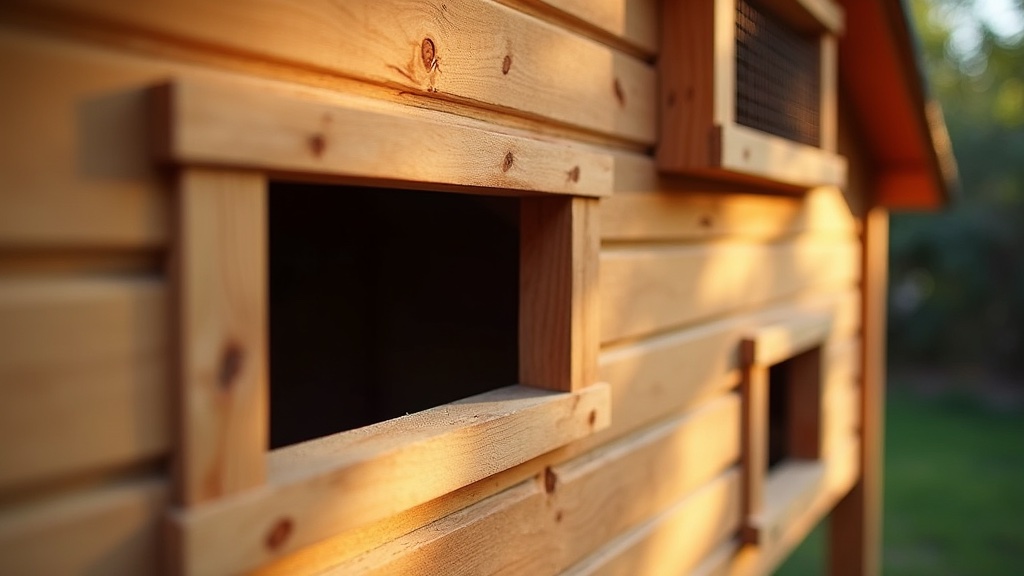
Spend 30 minutes inspecting every inch of your coop before buying materials. Raccoons are opportunistic and resourceful. Look for gaps larger than 3 inches between wall boards, around window frames, and where the roof meets the walls. Check for chew marks around latches and hinges. Examine the base for soil pushed up along the foundation a sign a raccoon has already tried digging. Look for droppings near the coop, which may contain Baylisascaris procyonis (raccoon roundworm), a health risk to both chickens and humans. Inside, inspect roosting bars and nesting boxes for signs of forced entry. Any weakness you find now is a hole a raccoon will find tonight.
Step 2: Cover Windows and Vents with Hardware Cloth
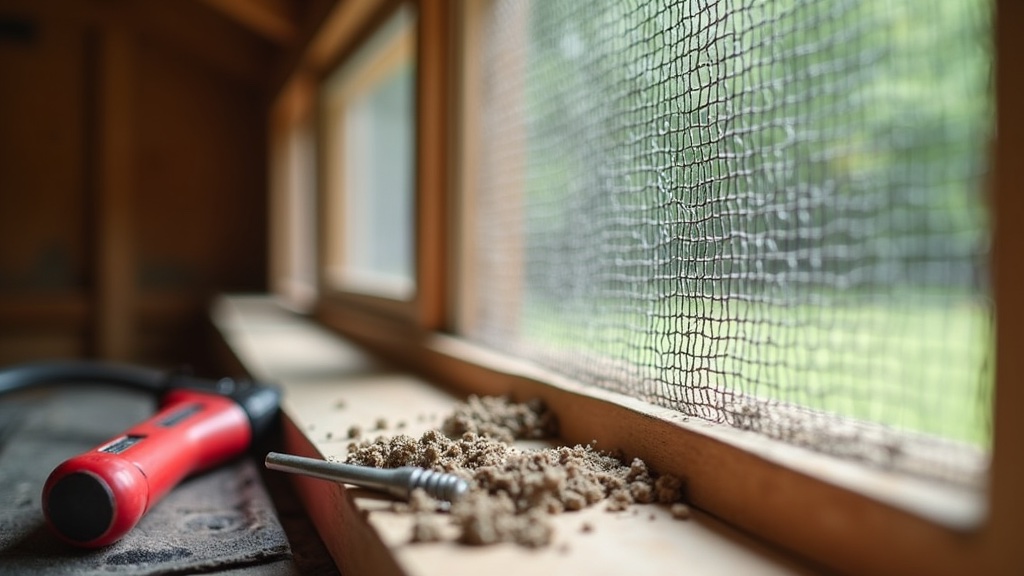
This is the single most important upgrade. Replace chicken wire on windows and vents with 1/2 inch mesh hardware cloth made from 12-gauge galvanized wire. Chicken wire is designed to keep chickens in, not predators out. A raccoon can tear through it in under a minute using 15 pounds of upward prying force. Hardware cloth is welded at every intersection, creating a rigid grid raccoons cannot pull apart. Cut each piece 2 inches wider than the opening on all sides. Secure with galvanized screws and washers every 4 to 6 inches. Never use staples alone a raccoon can pry them loose. Cover every vent, window, and eave gap. If air can flow through it, a raccoon can reach through it.

Material upgrade: Gartist hardware cloth adopts a double galvanizing process, which first uses galvanized steel wire to weld into a wire mesh, and then hot-dip galvanizing...
Step 3: Install Double-Latch Mechanisms on Doors
A raccoons dexterous forepaws have 4x the tactile sensitivity of human hands. They can open simple hook-and-eye latches, sliding bolts, and even some spring-loaded handles with ease. Raccoons also learn through observational watching you open the coop and mimicking the motion later. Upgrade every door, access panel, and egg collection hatch to a double-latch mechanism. The most reliable options are carabiner-style spring clips and spring-loaded toggle locks. Both require two distinct motions press and slide, or squeeze and rotate. If one latch fails, the second keeps the door closed. Install latches at different heights so a raccoon cannot reach both from the same position.
Step 4: Bury Hardware Cloth Along the Perimeter
If your coop walls are secure but the base sits on bare ground, a raccoon will tunnel under the wall in under an hour. Dig a trench 12 inches deep around the entire perimeter of the coop and run. Angle the trench outward at 45 degrees so the hardware cloth extends away from the walls underground. Lay a strip of 1/2 inch hardware cloth in the trench and secure the top edge to the coop wall or floor frame with screws and washers. Backfill with compacted soil or gravel. The outward angle creates an L-shaped barrier a raccoon hits when it tries to dig straight down. For existing coops that are hard to trench around, Dig Defence animal barrier panels install directly against the foundation and offer a heavy-duty alternative.

The Original Animal Barrier Fence - Our animal fence barrier makes sure that your pets are securely and humanely contained while also keeping critters and pests out of your...
Step 5: Add Anti-Climb Spikes to the Roof
Raccoons are agile climbers. If your coop roof is within 4 feet of a fence or tree branch, a raccoon will use it as a staging point. Anti-climb spikes are blunt plastic or metal strips that mount along roof edges and fence tops. They do not injure the animal but create an unstable surface raccoons cannot grip. Install spikes along the full length of the roof peak and run fence top edges. Use galvanized screws every 6 inches. For extra protection, combine spikes with a 30 degree overhang panel of hardware cloth. Raccoons need stable footing to apply their 15 pounds of prying force, and anti-climb spikes take that footing away.
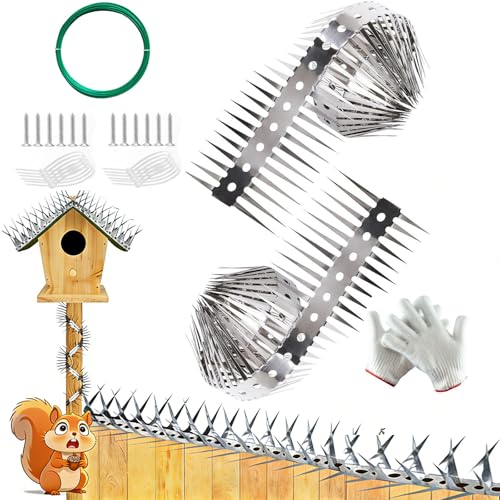
Ethical Deterrence: The sharp stainless steel spikes create a harmless barrier to intimidate raccoons, squirrels, pigeons, crows, and rodents without causing injury....
Step 6: Use Motion Lights and Deterrents
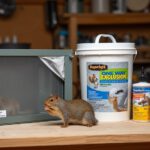
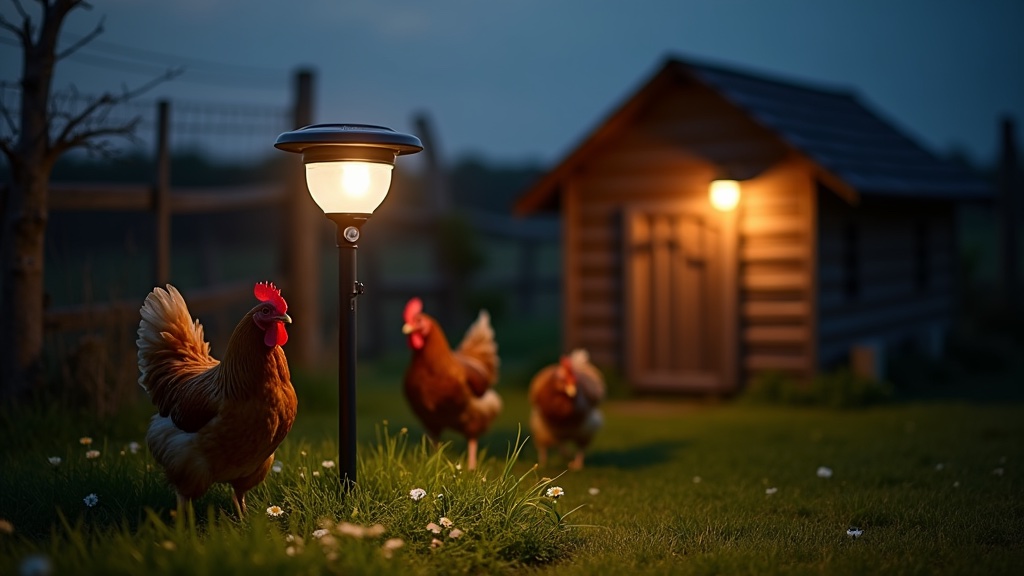
Exclusion is your primary defense, but a layered approach is more effective. Raccoons exhibit neophobia a fear of new stimuli. Solar-powered motion lights with PIR sensors can startle raccoons and disrupt nightly patrol routes. Position lights at coop entry points and along fence lines. After exclusion is complete, use a one-way exclusion door to remove any raccoon already living inside. Pre-bait the door for 2 to 3 days with sweets or wet cat food so the raccoon learns to associate it with food. Once it exits to feed, the door swings shut behind it. This method is humane and effective for evicting established raccoons without trapping. Pair with ultrasonic deterrents or scent repellents around the perimeter to discourage new raccoons from investigating.
Pro Tip: Pre-Bait a One-Way Exclusion Door
Warning: Check Local Trapping Laws
Frequently Asked Questions
What gauge hardware cloth keeps raccoons out of a chicken coop?
The standard is 1/2 inch mesh from 12-gauge galvanized wire. The 12-gauge thickness is rigid enough that a raccoon cannot bend or tear it. The 1/2 inch mesh prevents reaching through to grab chickens. Avoid anything smaller than 19-gauge, which can be pried open.
Can raccoons open chicken coop latches?
Yes. Raccoon forepaws have 4x the tactile sensitivity of human hands. They open simple hook-and-eye latches, sliding bolts, and even spring-loaded handles. They also learn by watching you operate the latch then mimicking the motion. Double-latch mechanisms requiring two distinct motions are essential.
How deep should you bury hardware cloth to stop raccoons?
Bury hardware cloth at least 12 inches deep and angle it outward at 45 degrees from the coop wall. This apron makes raccoons dig away from the coop, which most will not attempt. In sandy soil, go 18 inches deep with a second layer for reinforcement.
Will motion lights keep raccoons away from chickens?
Motion lights alone will not stop a determined raccoon, but they work well in a layered defense. Raccoons exhibit neophobia and avoid well-lit areas. PIR motion lights at entry points and fence lines disrupt their nightly routine. Combine with ultrasonic deterrents and physical exclusion for best results.
What scent keeps raccoons away from chicken coops?
Raccoons avoid predator scents, especially coyote and wolf urine. Granular repellents with predator urine, putrescent egg solids, and capsaicin (activates the TRPV1 receptor) work around the perimeter. Peppermint and garlic oil also trigger avoidance. Scent repellents are a secondary defense that must be reapplied after rain.
Why Trust Us
WildAnimalsCentral.com has been writing about wildlife control and exclusion since 2017. Our team includes licensed wildlife removal specialists, master gardeners, and poultry keepers who have raccoon-proofed hundreds of coops. We test every product we recommend and verify every method against real-world animal behavior data. We do not accept sponsored placements or promote products we would not use on our own coops.
Disclaimer: The information on WildAnimalsCentral.com is for educational purposes only and is not a substitute for professional wildlife control advice. Always consult a licensed wildlife professional before attempting to trap or exclude wildlife. Relocating wild animals may be illegal in your area without proper permits. See your state wildlife agency for local regulations.