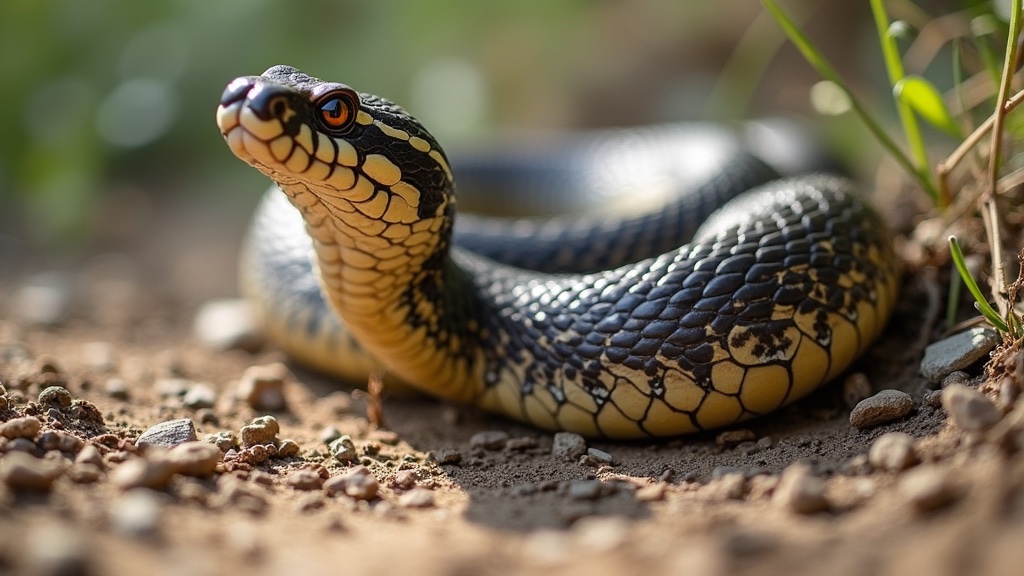
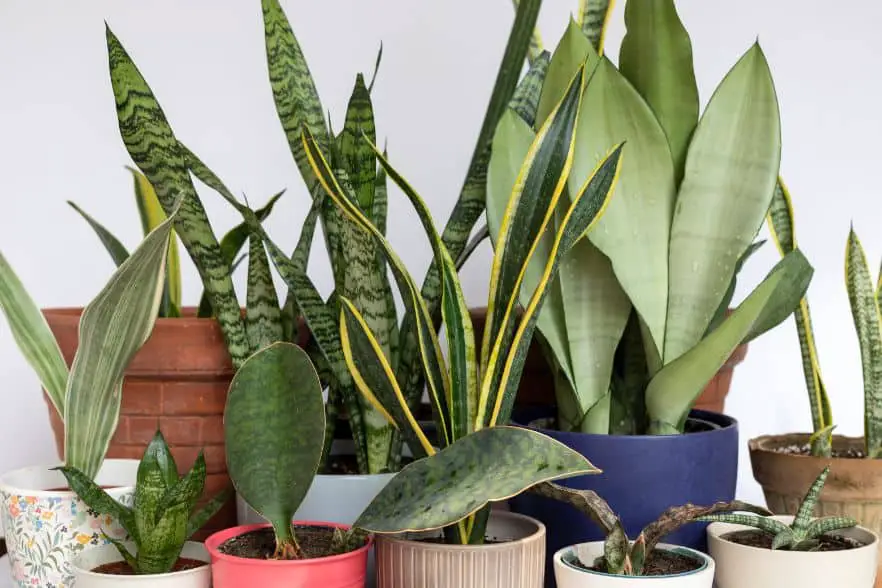
Some plants can help deter snakes, but they are not a reliable standalone solution. Plants like marigolds, lemongrass, and wormwood may produce strong scents that snakes avoid, but snakes are primarily driven by food and shelter, not smell.
This guide covers 10 plants that are commonly believed to repel snakes and explains how to use them as part of a broader snake prevention strategy.
Key Takeaways
- No plant is proven to reliably repel snakes, but some strong-scented plants may help as part of a broader strategy.
- Plants are not a substitute for habitat modification, exclusion, and snake-proof fencing.
- Marigolds, lemongrass, and wormwood are among the most commonly recommended snake-repelling plants.
- Removing hiding spots and food sources is more effective than any plant-based deterrent.
In This Guide
10 Plants That May Repel Snakes
| Plant | How It Works | Effectiveness |
|---|---|---|
| Marigolds | Strong scent that may mask prey odors | Low |
| Lemongrass | Citronella oil content may deter snakes | Low |
| Wormwood | Bitter, aromatic compounds | Low |
| Garlic | Strong sulfur compounds | Low |
| Onion | Strong odor, similar to garlic | Low |
| Mugwort | Aromatic leaves | Low |
| Indian snake root | Traditional use as snake repellent | Low |
| West Indian lemongrass | Higher citronella content | Low |
| Clove basil | Strong clove-like scent | Low |
| Tansy | Strong camphor-like odor | Low |
How These Plants Work
Snakes rely primarily on their Jacobson's organ (vomeronasal system) to detect prey through scent particles collected by tongue-flicking. Strong, irritating odors can interfere with this system, potentially making an area less attractive to snakes. However, the effect is limited because:
- Snakes are driven by food and shelter, not smell alone. A snake will cross a scented area to reach prey.
- Plant scents dissipate quickly outdoors, especially in wind and rain.
- No scientific studies have proven that any plant reliably repels snakes.
Limitations of Plant-Based Deterrents
- Snakes can habituate to plant scents within days.
- Plants are seasonal and die back in winter when snakes seek shelter indoors.
- They do not create a physical barrier and a determined snake will cross them.
- They are most effective when used in combination with other methods.
Better Snake Prevention Methods
- Snake-proof fencing: 1/4 inch hardware cloth, 4 feet tall, buried 6 inches deep.
- Remove hiding spots: Clear wood piles, rock piles, tall grass, and debris.
- Seal entry points: Close gaps in foundations, walls, and around pipes.
- Control rodents: Reduce the primary food source that attracts snakes.
- Reduce moisture: Fix leaks and improve drainage.
For more, read our snake barrier guide and snake hole identification guide.
Frequently Asked Questions
Do marigolds really keep snakes away?
Marigolds produce a strong scent that some gardeners believe repels snakes. However, there is no scientific evidence that marigolds reliably deter snakes. They may help as part of a multi-method approach, but they should not be relied on as the sole deterrent.
What plants do snakes hate the most?
Snakes are most likely to avoid plants with strong, pungent odors like marigolds, lemongrass, garlic, onion, and wormwood. These plants produce compounds that may interfere with a snake's Jacobson's organ. However, effectiveness varies by snake species and individual.
Can I plant lemongrass to keep snakes away?
Lemongrass contains citronella oil, which may have a mild repellent effect. However, planting lemongrass alone will not keep snakes away from your property. Combine it with fencing, habitat modification, and food source removal for the best results.
What is the best natural snake repellent?
There is no proven natural repellent that reliably keeps snakes away. The most effective natural approach is habitat modification: remove hiding spots, reduce food sources, and seal entry points. Snake-proof fencing is the only method with proven long-term effectiveness.
The Bottom Line
Plants like marigolds, lemongrass, and wormwood may have a mild deterrent effect on snakes, but they are not a reliable solution. Snakes are driven by food and shelter, not smell.
The most effective approach to snake prevention is habitat modification, exclusion, and snake-proof fencing. Use plants as a complementary measure, not as your primary defense. No plant can replace a properly installed snake-proof fence.