Table of Contents
Finding a baby wild animal alone does not mean it is abandoned. In most cases, the parent is nearby foraging and will return. Intervening too early can separate a healthy baby from its family and do more harm than good. This guide covers when to leave them alone, when to step in, and exactly what to do if a baby wild animal truly needs help.
Key Takeaways
- Most baby animals are not orphaned: Parents often leave them alone for hours while foraging. Observe from a distance before intervening.
- Wait times vary by species: A fawn may be left alone for 12+ hours, while a baby bird needs monitoring after just an hour.
- Only intervene for clear signs of distress: Injury, cold body temperature, visible fly eggs, or a confirmed dead parent are valid reasons to act.
- Always contact a licensed rehabilitator: It is illegal in most states to possess or care for native wildlife without a permit.
First: Is the Baby Actually Orphaned?
Your first instinct may be to rescue, but the best thing you can do is pause and observe. Many wild parents leave their young alone for most of the day. Deer, rabbits, and squirrels intentionally stay away from their nests to avoid attracting predators. The mother will return multiple times a day to feed them, usually at dawn and dusk.
Unless you have seen a dead parent, watched the nest be destroyed, or the baby is clearly injured, do not move it. Instead, note the species and observe from a safe distance for the recommended wait time below.
Wait Times and First Response by Species
Different species have different parenting styles. Use this table to decide how long to wait before intervening and what to do in the meantime.
| Animal Type | Wait Time Before Intervening | What to Do |
|---|---|---|
| Baby bird (fledgling) | 1-2 hours | If fully feathered and hopping, it is learning to fly. Leave it unless it is in immediate danger (road, predator). Place nearby on a low branch if needed. |
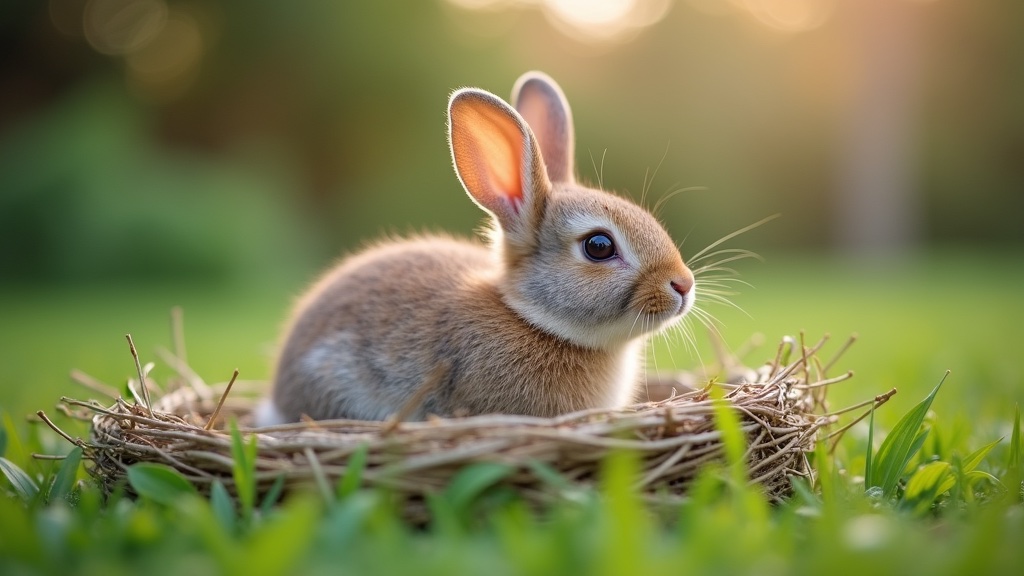
| Baby rabbit (cottontail) | 12+ hours | Rabbits feed only at dawn and dusk. If the nest is disturbed, cover it loosely with grass. Check for a string test: place twigs in a grid over the nest and check 24 hours later if disturbed. |
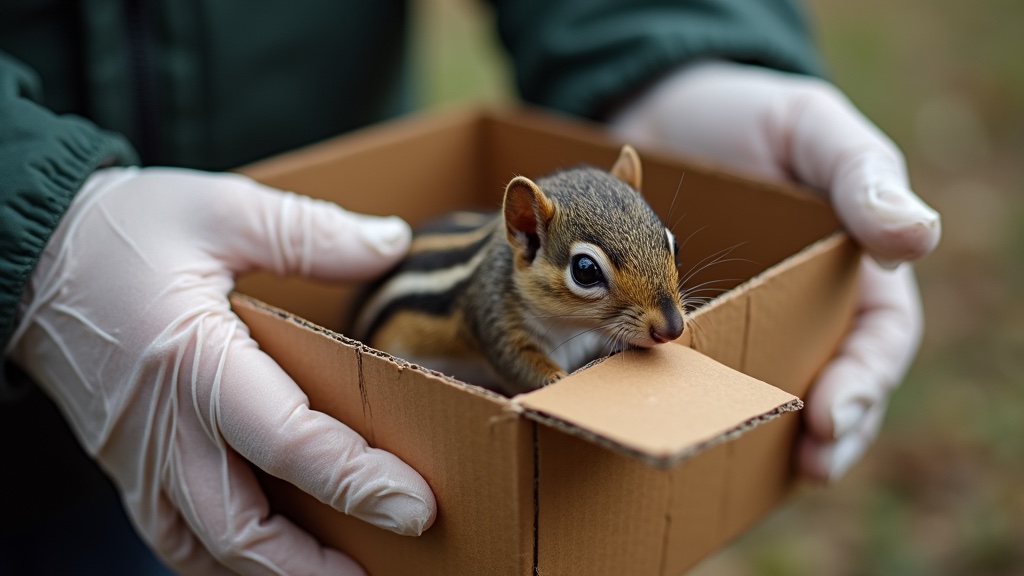
| Baby squirrel | 4-6 hours | If hairless or eyes closed, place in a box at the base of the tree with a warm (not hot) water bottle. The mother will retrieve it. Monitor from indoors. |
| Baby raccoon | 8-12 hours | Raccoons are highly social. Babies may be left while the mother forages. Keep pets away and observe. If crying all day or wandering aimlessly, call a rehabber. |
| Baby possum (opossum) | 8 hours | Only intervene if the baby is under 7 inches (not counting tail) and alone without a mother nearby. Smaller than this, they cannot survive without maternal care. |
| Fawn (deer) | 12-24 hours | Fawns are deliberately left alone by their mothers for the first few weeks. They lie still as a survival strategy. Do not touch or move the fawn. Mom is nearby. |
When to Intervene
There are a few situations where waiting is not the right call. Intervene immediately if you see any of the following:
- Visible injury: Bleeding, broken limb, or attack by a cat or dog.
- Cold to the touch: Hypothermic babies cannot regulate body temperature. Warm slowly and contact a rehabber.
- Fly eggs or maggots: Tiny yellow or white clusters are a sign the baby has been alone too long.
- In immediate danger: On a road, in a construction zone, or near a roaming pet.
- Confirmed dead parent: If you see a deceased adult nearby, the baby is orphaned.
What to Do: Step by Step
Frequently Asked Questions
Will the mother reject a baby if I have touched it?
No. This is a myth. Most wild mothers have a poor sense of smell and will not reject a baby because of human scent. However, you should still avoid handling unless necessary.
What do I feed a baby bird I found?
Nothing. Do not give food or water. Baby birds have specialized diets and can choke on improper foods. Keep them warm and call a rehabber.
Can I keep a baby squirrel as a pet?
No. It is illegal in nearly every state to keep native wildlife without a permit. Squirrels also require specialized care and do not thrive in captivity long term.
How do I know if a baby raccoon is truly orphaned?
If the baby is crying persistently for more than 12 hours, wandering during the day, or appears thin with visible rib bones, it likely needs help. Otherwise, leave it and observe.
Should I try to reunite a baby rabbit with its nest?
Yes. If you find an uninjured baby rabbit, gently return it to the nest. Use the string test (place light twigs in a grid pattern over the nest) and check 24 hours later. If the twigs are disturbed, the mother has returned.
Disclaimer: This information is for educational purposes only and does not constitute professional veterinary or wildlife management advice. Always consult a licensed wildlife rehabilitator or state wildlife agency for specific guidance regarding injured or orphaned animals. Laws regarding wildlife possession and rehabilitation vary by jurisdiction.