
Table of Contents
The wrong wildlife removal company can cost you thousands in repeat damage, failed exclusions, and even legal fines. A licensed, insured operator with a written warranty and strong reviews is your only safe bet. This guide covers every factor you need to check before hiring a wildlife control pro in 2026.
Disclaimer: This article is for informational purposes only and does not constitute professional or legal advice. Wildlife removal laws and licensing requirements vary by state, province, and municipality. Always verify credentials and consult local regulations before hiring a wildlife control operator.
Key Takeaways
- Licensing is non-negotiable: A legitimate wildlife removal company holds state or provincial credentials and liability insurance. Never hire an operator who cannot provide both.
- Written estimates protect you: Always get a detailed, itemized estimate in writing before any work begins. Verbal quotes leave room for surprise charges.
- Warranties separate pros from amateurs: Reputable companies stand behind their exclusion work with a written warranty of 1–5 years. A handshake guarantee is not a guarantee.
- Get multiple quotes: Comparing at least three companies gives you a baseline for fair pricing and helps you spot operators who cut corners on materials or scope.
What to Look For in a Wildlife Removal Company – Quick Checklist
- Valid state or provincial wildlife control license – Verify with the issuing agency, not just the business card.
- General liability insurance – Minimum $1 million coverage. Ask for a certificate of insurance (COI).
- BBB accreditation or rating – Minimum B+ rating. Check for unresolved complaints.
- Recent positive reviews – Look at Google, Yelp, and Angi. Focus on mentions of exclusion quality and follow-up service.
- Detailed written estimate – Should itemize inspection, exclusion materials, labor, and animal removal fees.
- Written warranty on exclusion work – 1-year minimum; 3–5 years is standard for comprehensive re-nesting proofing.
Licensing and Insurance
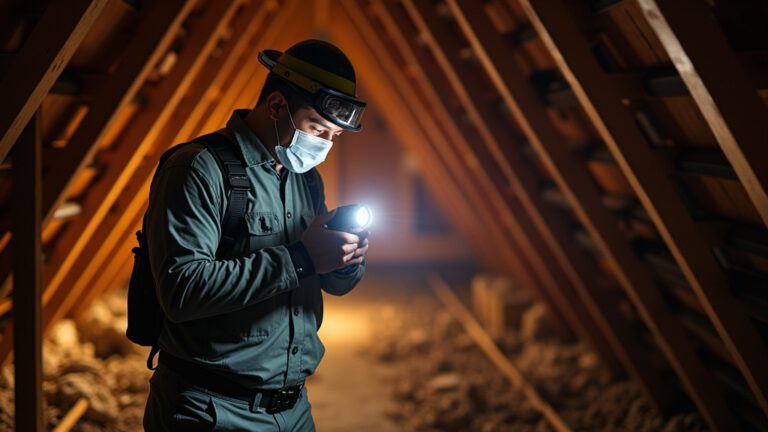
Most states require wildlife control operators to hold specific permits or licenses issued by the department of natural resources, fish and wildlife agency, or agriculture department. These licenses are not optional – they prove the operator has passed exams on species identification, humane handling, and applicable laws. Ask for the license number and verify it online through your state’s licensing portal.
Insurance is just as critical. General liability insurance covers damage to your property during the job, and workers’ compensation protects you if a technician is injured on your property. Request a certificate of insurance (COI) naming you as the certificate holder before any work begins. If a company hesitates to provide one, cross them off your list immediately.
Experience and Specialization
General pest control companies often lack the training and equipment needed for wildlife removal. A dedicated wildlife control operator brings specialized knowledge: how raccoons exploit roof vents, where bats roost in colonial groups, what exclusion techniques actually keep squirrels out for good. Look for a company that has been in business at least three to five years and focuses primarily on vertebrate pest removal, not just insects. Ask how many similar jobs they have handled (squirrels in attics, raccoons in chimneys, bats in soffits) and what their success rate looks like on re-entry calls.
Humane Practices
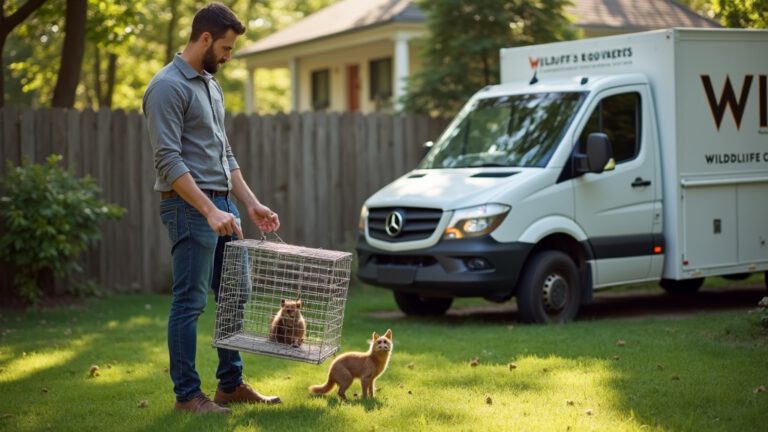
Humane wildlife removal means prioritizing exclusion and prevention over lethal removal. A responsible company will install one-way exclusion doors, seal entry points, and let animals leave on their own timeline rather than trapping and killing them. Check whether the operator follows best practices for the species involved – for example, never sealing a baby bat inside a wall or separating a mother raccoon from her litter. Many states mandate humane protocols, and reputable companies advertise their commitment to integrated pest management (IPM) and non-lethal methods. Ask directly: “What does humane removal mean to your company?” Their answer tells you everything.
Written Estimates and Transparency
A professional wildlife removal company provides a written estimate before any work begins. This document should break down costs for inspection, exclusion materials (steel mesh, flashing, sealant), animal removal or relocation, and any structural repairs. Be wary of companies that quote a flat rate over the phone without seeing your property – every infestation is different, and anyone who claims otherwise is guessing. The estimate should also specify what is included in case the animal returns within the warranty period. If a company refuses to put terms in writing, move on to the next candidate.
Warranty on Work
A warranty is the single strongest signal of a confident, quality-focused wildlife control company. Standard industry practice is a one-year warranty on labor and exclusion materials, though many top-tier operators offer three- to five-year coverage on re-nesting proofing. The warranty should be in writing and spell out exactly what is covered: re-entry of the same species, damage from the same entry point, or a full re-inspection at no charge. Be skeptical of any company that offers only a 30-day warranty or uses vague language like “we guarantee our work.” That is not a warranty – it is a sales pitch.
Reviews and Reputation
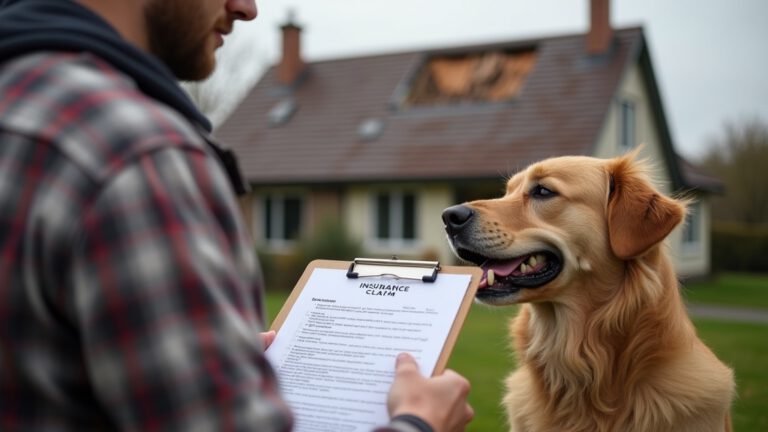
Online reviews give you a real-world look at how a company performs after the sale. Search for “wildlife removal + your city” on Google, Yelp, Angi, and the Better Business Bureau. Look for patterns: do reviewers consistently mention thorough exclusions, clean work, and responsive follow-up? Or do you see complaints about animals returning, hidden fees, or damaged property? A company with a BBB rating of B+ or higher and a history of resolved complaints is a safer bet. But remember – no company is perfect. What matters is how they respond to negative reviews. A professional operator addresses criticism publicly, offers solutions, and takes responsibility.
Red Flags to Watch Out For
Not every wildlife control operator is honest or competent. Watch for these warning signs and walk away if you spot any of them:
- No physical business address – A legitimate company has a local office or shop, not just a cell phone number.
- Cash-only payments – Cash-only operations are often unlicensed and leave no paper trail if things go wrong.
- Pressure to sign immediately – High-pressure tactics (“the price goes up tomorrow” or “they’ll cause structural damage tonight”) are manipulation, not professionalism.
- Refusal to provide credentials – If they cannot or will not show their license and insurance, they likely have neither.
- Guaranteed removal without inspection – No one can guarantee results without assessing the property first.
- Excessive use of poison or lethal traps – Poisons cause slow, painful deaths and can kill non-target wildlife, pets, or children. Ethical companies use exclusion as the primary method.
- Vague or verbal-only estimates – A handshake and a promise are not a contract. Get everything in writing.
Pro Tip
Always get at least three quotes before choosing a wildlife removal company. Comparing estimates helps you identify the market rate for your area and flags operators who underbid (cutting corners on materials) or overbid (price gouging). When reviewing quotes, look beyond the total price – compare what is included: inspection, exclusion materials, animal removal, repairs, warranty length, and follow-up visits. The cheapest quote is rarely the best value, and the most expensive one does not guarantee the best work.
Warning
Unlicensed wildlife operators are more common than you think – and they are dangerous to hire. In many states, operating without a wildlife control license is illegal and can result in fines for both the operator and the homeowner who hired them. Without insurance, you are personally liable for any property damage, injuries to the technician, or harm to protected species. Always verify licensing through your state’s wildlife or natural resources agency before letting anyone on your property. If a company cannot produce a valid license during your initial call, do not schedule an appointment.
Frequently Asked Questions
How much does wildlife removal cost?
Wildlife removal costs vary widely depending on the species, severity of infestation, and your location. Most homeowners pay between $200 and $1,500 for a typical removal and exclusion job. Get written estimates from multiple companies for an accurate comparison.
Do I need a wildlife removal company or can I do it myself?
DIY wildlife removal is risky, illegal for many species, and often ineffective. Raccoons, bats, and squirrels are protected or regulated in most states, and improper handling can lead to fines, injuries, or animals dying inside walls. A professional ensures humane removal that stays legal and permanent.
What happens if the animal comes back after removal?
A reputable wildlife removal company will return at no additional charge if the same animal re-enters through the same entry point within the warranty period. That is why written warranties are essential – they separate companies that do proper exclusion work from those that just remove animals without sealing the entry.
Can wildlife removal companies also repair the damage?
Many full-service wildlife control operators offer structural repairs, including replacing chewed wood, repairing vents, and restoring insulation contaminated by droppings or urine. Ask upfront whether damage repair is included or available as an add-on service.
How do I know if a wildlife removal company is legitimate?
Check for three things: a valid state wildlife control license, general liability insurance with a certificate of insurance you can verify, and a physical business address. Cross-reference their license number online through your state’s licensing authority. A company that passes all three checks is almost certainly legitimate.
Why Trust Us
WildAnimalsCentral.com has been researching and writing about wildlife control, pest prevention, and humane exclusion since 2018. Our team vets every recommendation against industry best practices published by the National Wildlife Control Operators Association (NWCOA), state wildlife agencies, and university extension programs. We do not accept advertising or sponsored placements from wildlife removal companies – our advice is independent and reader-first.
Disclaimer: The information on this page is for general guidance only. Laws, licensing requirements, and insurance regulations vary by location. Always consult a licensed professional in your area for advice specific to your situation. WildAnimalsCentral.com is not responsible for any actions taken based on this content.