Table of Contents
Most standard homeowners insurance policies cover sudden, accidental damage caused by wildlife like deer, bears, or raccoons if the animal breaks into your home through a covered structure opening. However, damage from pests, rodents, insects, birds, and gradual wear and tear is almost never covered. This 2026 guide breaks down exactly what’s covered, what’s excluded, and how to file a successful wildlife damage claim.
Key Takeaways
- Sudden damage is usually covered: If a bear breaks through your wall or a deer crashes through a window, your dwelling coverage typically pays for repairs minus your deductible.
- Pests and rodents are excluded: Squirrels in the attic, raccoons in the chimney, and mice chewing wires are considered preventable maintenance issues, not covered events.
- Document everything immediately: Photos, videos, repair estimates, and a wildlife removal professional’s report strengthen your claim significantly.
- Fire caused by animal damage may be covered: If a rodent chews a wire and starts an electrical fire, the fire damage is often covered even though the rodent damage itself is not.
What Standard Homeowners Insurance Covers
A standard HO-3 homeowners insurance policy (the most common type in the United States) covers sudden and accidental damage from wildlife under dwelling coverage (Coverage A) and other structures coverage (Coverage B). The key word is “sudden.” Insurance companies distinguish between an unexpected event and a problem that developed over time.
Examples of covered wildlife damage typically include:
- A deer or moose crashing through a window or sliding glass door
- A bear tearing through siding, a wall, or a door to reach food inside
- A large tree limb (from wind or storm) falling through your roof and damaging the interior
- Fire damage caused by wildlife chewing through electrical wiring (the fire itself, not the chewed wire)
- A bird or bat that flies into an open door or broken window and damages interior property
If the damage is caused by a named peril like “fire,” “vandalism,” or “falling objects,” your policy applies even if an animal triggered the event. Your personal property (Coverage C) may also be covered if wildlife damages furniture, electronics, or belongings inside the home, though coverage limits and deductibles apply.
What Is Not Covered
Insurance policies contain specific exclusions for wildlife and animal damage. These exclusions are not loopholes. They reflect the industry position that gradual, preventable, or pest-related damage is a home maintenance responsibility, not an insurable accident.
Pests, Vermin, and Rodents
Nearly every standard homeowners policy explicitly excludes damage caused by pests, vermin, rodents, and insects. This includes squirrels (Sciurus carolinensis), rats, mice, raccoons (Procyon lotor), bats, birds nesting in your attic, carpenter ants, termites, and any other creature considered a pest. The industry logic: pest infestations develop over time and are preventable with regular inspections and maintenance.
Gradual Damage and Neglect
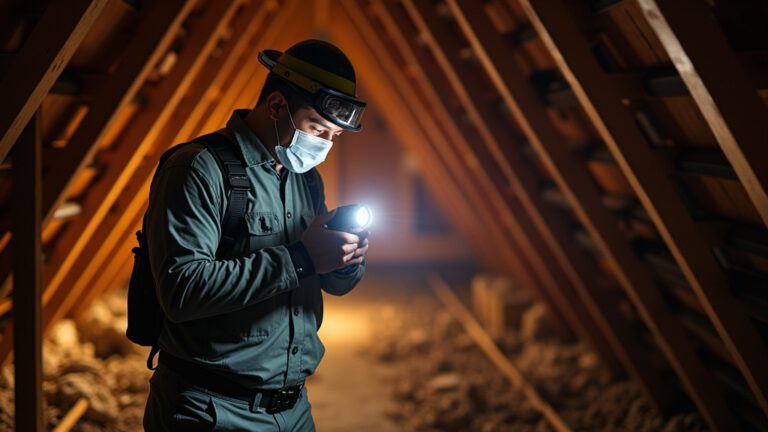
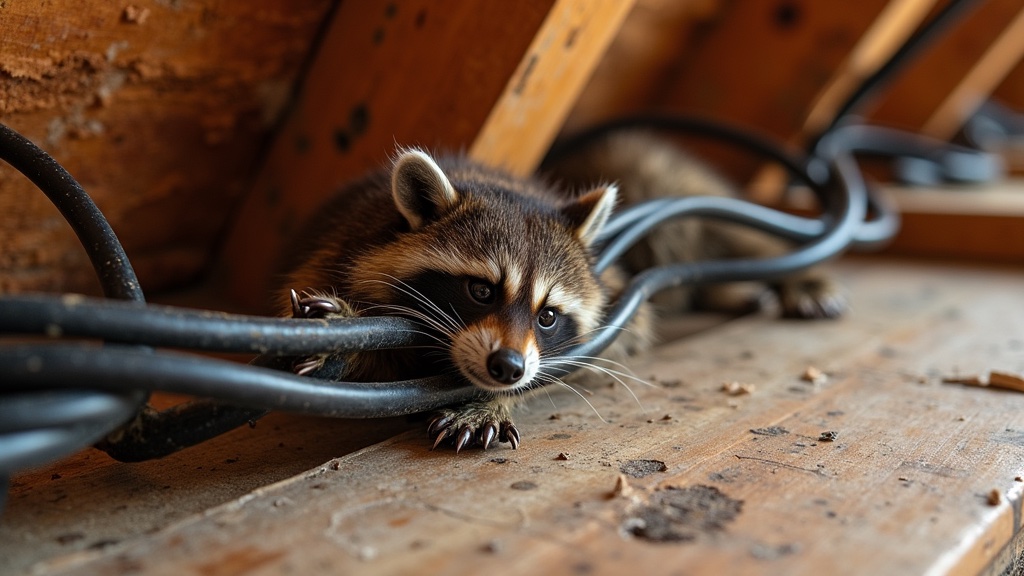
If a raccoon has been living in your attic for months, chewing through ductwork, soiling insulation, and widening a hole in your soffit, the accumulated damage is excluded because it happened gradually. Insurers expect homeowners to notice and address signs of intrusion promptly. Waiting too long turns a small problem into a large one, and the insurance company will classify the loss as “wear and tear” or “neglect” both standard exclusions.
Birds and Bird-Related Damage
Birds nesting in vents, gutters, or chimneys are considered a maintenance issue. Damage from droppings (guano), nesting materials, or blocked ventilation caused by birds is not covered. Chimney caps and vent covers are the homeowner’s responsibility.
Burrowing Animals and Outdoor Damage
Damage to your yard, landscaping, or foundation caused by groundhogs, moles, voles, or gophers is generally not covered. These are considered ground maintenance issues. Similarly, fences damaged by wildlife attempting to enter your property are usually excluded unless a specific covered peril (like a falling tree) caused the damage.
When Wildlife Damage Claims Are Approved
Understanding the distinction between covered and excluded damage can help you decide whether to file a claim. Here are real-world scenarios where claims are typically approved:
Fire From Chewed Wires
A mouse or squirrel chews through an electrical wire inside your wall. The exposed wire sparks and starts a fire that damages your kitchen. The fire damage is covered under the fire peril of your policy, even though the rodent damage to the wire is excluded. Your dwelling coverage pays to repair the fire damage, smoke damage, and firefighting water damage. You remain responsible for replacing the chewed wire and sealing entry points.
Animal Breaking Through the Roof
A bear or large raccoon tears through your roof sheathing from the outside and enters your attic in a single event. Because the entry was sudden and occurred through an exterior structure, your dwelling coverage typically applies. The key is that the animal entered from the outside and caused immediate structural damage, not that it exploited an existing weakness you failed to repair.
Vehicle Collision With the Home
While less common, a deer or moose running into the side of your house (as opposed to through a window) can create a covered claim under “vandalism” or “vehicle impact” provisions, depending on how the policy defines the cause of loss. Some carriers treat this as a vandalism claim, while others classify it as sudden accidental damage. Always report this type of claim and let the adjuster make the determination.
Wildlife Damage Coverage at a Glance
| Scenario | Covered? | Why |
|---|---|---|
| Deer crashes through sliding glass door | Yes | Sudden, accidental damage to a covered structure |
| Squirrel chews through attic wiring | No | Rodent damage is specifically excluded |
| Electrical fire from chewed wire | Yes (fire only) | Fire is a covered peril, even if rodent-caused |
| Raccoon nesting in attic for 6 months | No | Gradual damage, considered preventable |
| Bear tears through roof to enter home | Yes | Sudden structural breach by a wild animal |
| Birds nesting in vents blocking airflow | No | Maintenance issue, not a covered loss |
| Tree branch falls on roof during storm | Yes | Falling object is a standard covered peril |
| Termite damage to floor joists | No | Insect damage excluded under all standard policies |
Frequently Asked Questions
Does homeowners insurance cover raccoon damage to my attic?
Generally no. Raccoon damage to attic insulation, ductwork, and structural wood is considered gradual damage or pest damage, both of which are standard exclusions. However, if the raccoon broke through your roof from the outside in a single sudden event, the structural repair may be covered. The damage from inhabitation (urine, feces, nesting) is almost always excluded.
Will my insurance cover squirrel damage to my car’s wiring?
No, not under your homeowners insurance. Squirrel damage to a vehicle would fall under your comprehensive auto insurance coverage if you carry it. Homeowners insurance covers the home structure, not vehicles, regardless of what caused the damage.
Can I claim bat guano cleanup on my homeowners insurance?
No. Bat guano cleanup and attic restoration after a bat infestation is classified as waste removal and gradual damage. It is not a sudden accidental loss. Most policies explicitly exclude animal waste cleanup. The cost of bat exclusion, guano removal, and insulation replacement is the homeowner’s responsibility.
Should I file a claim for wildlife damage even if I’m not sure it’s covered?
It depends on the repair cost. If the damage is minor, paying out of pocket may be better than risking a premium increase. Claims for any amount can raise your rates at renewal. For major structural damage (a bear through the roof, a deer through a window), file the claim and let the adjuster make the coverage determination.
What if my neighbor’s dog damages my property?
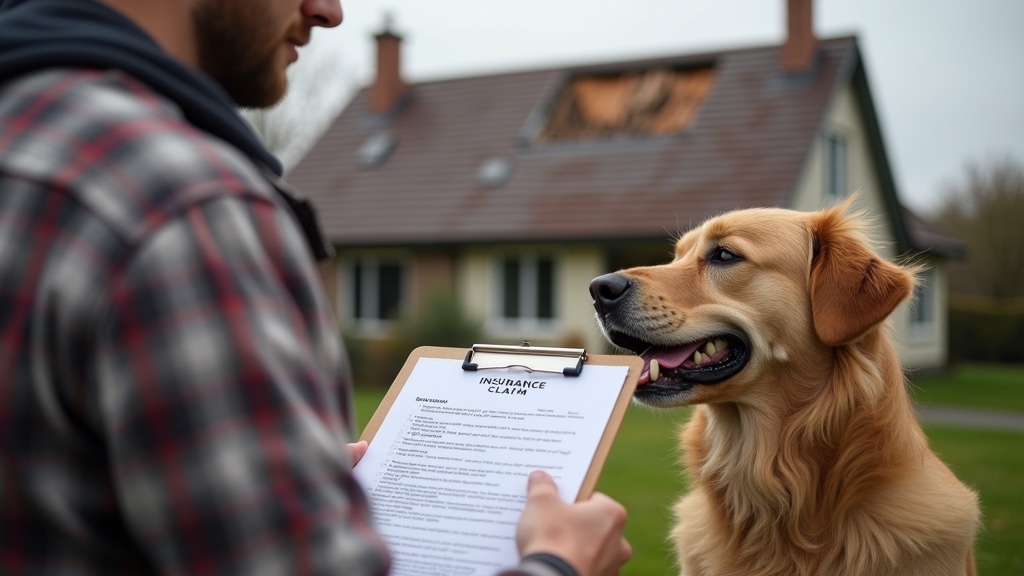
Homeowners insurance typically excludes damage by domestic animals. However, your neighbor’s homeowners or renters insurance liability coverage may pay for the damage if their dog caused it. File a claim with the neighbor’s insurance company directly or ask your agent to assist with subrogation.
Why Trust Us
WildAnimalsCentral.com is an independent informational resource focused on wildlife removal, pest prevention, and home protection. Our content is researched and written by professionals in wildlife control and home maintenance. We do not sell insurance policies or receive commissions from insurance companies. Our recommendations are based on years of field experience, industry standard policy language, and consultation with licensed insurance professionals. All information is reviewed regularly to reflect the latest 2026 policy updates and regulatory changes.