Table of Contents
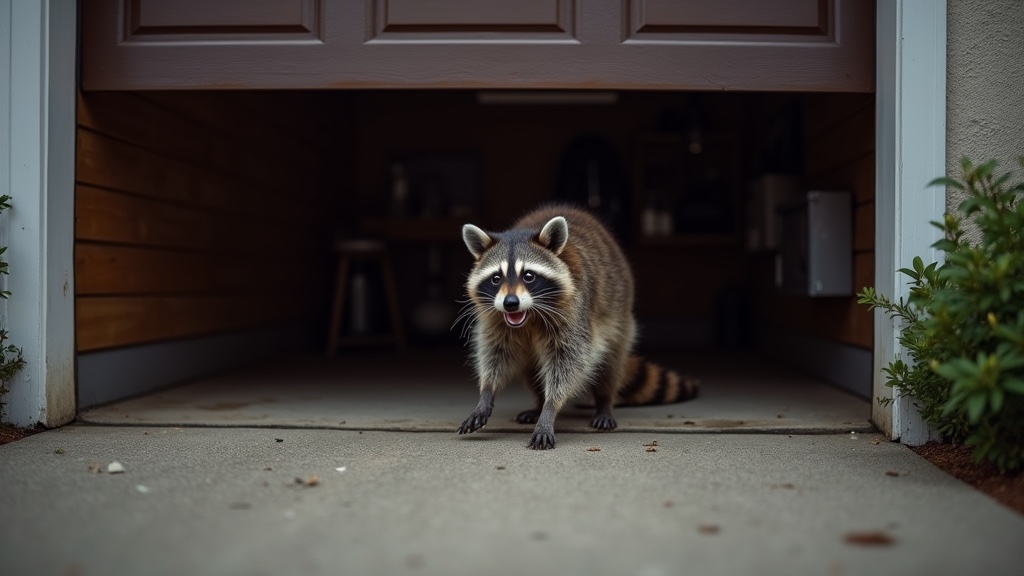
A raccoon trapped in your garage needs a clear escape route and time to find it. Raccoons (Procyon lotor) are intelligent but can become confused when trapped in an enclosed space. They may hide behind boxes, inside storage, or in the rafters. This guide covers 7 emergency steps to safely remove a trapped raccoon from your garage.
Key Takeaways
- Open the garage door wide and clear a path to the exit. Do not approach the raccoon.
- Remove pets and children from the area before attempting removal.
- Use bright lights and loud noise to encourage the raccoon to leave.
- Call a professional if the raccoon does not leave within 4 hours or appears aggressive.
In This Guide
Step 1: Stay Calm
A raccoon in the garage is not an immediate threat if you do not corner it. Stay calm and do not make sudden movements. If the raccoon is hiding, it will likely stay hidden until it feels safe enough to move.
Step 2: Open the Garage Door
Open the garage door as wide as possible. If it is a manual door, lift it all the way. If it is automatic, press the open button and leave it open. The open door is the raccoon’s primary escape route.
Step 3: Clear Obstacles
Move boxes, tools, and other obstacles out of the path between the raccoon and the open door. The raccoon needs a clear, unobstructed path to the exit. Do not approach the raccoon while clearing the path.
Step 4: Use Deterrents
- Bright lights: Turn on all garage lights. Raccoons are nocturnal and prefer darkness.
- Loud radio: Place a radio near the garage door playing a talk station. The noise makes the space uncomfortable.
- Maintain a safe distance: Stay at least 20 feet from the raccoon. Do not block the exit.
Step 5: Wait
Give the raccoon time. Most raccoons will leave within 1 to 4 hours if given a clear escape route. Check periodically from a safe distance. Do not enter the garage while waiting.
Step 6: Call a Professional
Call a wildlife control operator if:
- The raccoon has not left after 4 hours
- The raccoon is acting aggressively or appears sick
- You suspect a nursing mother with babies
- The raccoon is trapped inside a wall or storage area
Step 7: Prevent Re-entry
After the raccoon is gone, inspect the garage for entry points:
- Check the garage door seal for gaps at the bottom and sides.
- Cover vents and windows with 1/4 inch hardware cloth.
- Seal gaps around pipes with steel wool and expanding foam.
- Keep the garage door closed when not in use, especially at night.
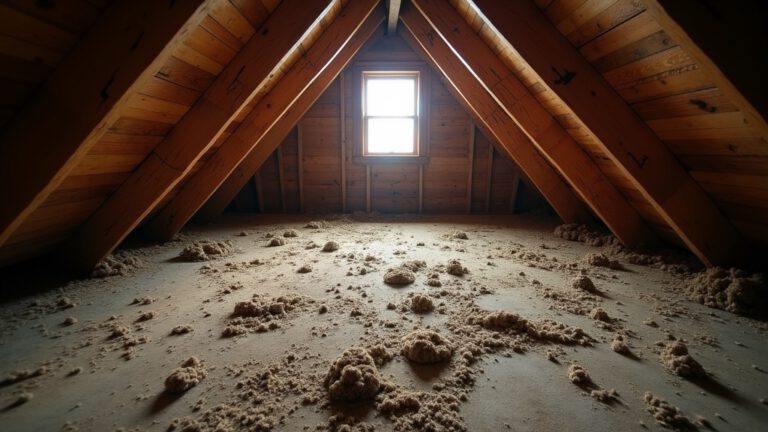
For more, read our attic removal guide and raccoon behavior guide.
Frequently Asked Questions
How long can a raccoon survive trapped in a garage?
A raccoon can survive 3 to 5 days without food or water in a garage. However, it may cause significant damage to stored items, wiring, and insulation. Prompt removal is essential.
Will a raccoon damage my car in the garage?
Yes. Raccoons may climb onto or into vehicles, chew wiring, and leave droppings. If the raccoon has been in the garage for more than a day, inspect your car for damage before driving.
Can a raccoon open a garage door?
Raccoons cannot open automatic garage doors, but they can pull up manual doors or squeeze under gaps. Ensure the garage door seal is tight and there are no gaps larger than 4 inches.
Should I set a trap for a raccoon in my garage?
Only as a last resort and if you are experienced with live traps. If you set a trap, check it every 4 hours. A trapped raccoon left in a trap for too long can become stressed, dehydrated, or aggressive. Relocate at least 10 miles away if local laws allow.
The Bottom Line
A raccoon trapped in your garage will usually leave on its own if given a clear escape route. Open the garage door, clear obstacles, use bright lights and noise, and wait. Most raccoons exit within 1 to 4 hours. If the raccoon does not leave or appears aggressive, call a professional. After removal, seal all entry points to prevent future incidents.