Table of Contents
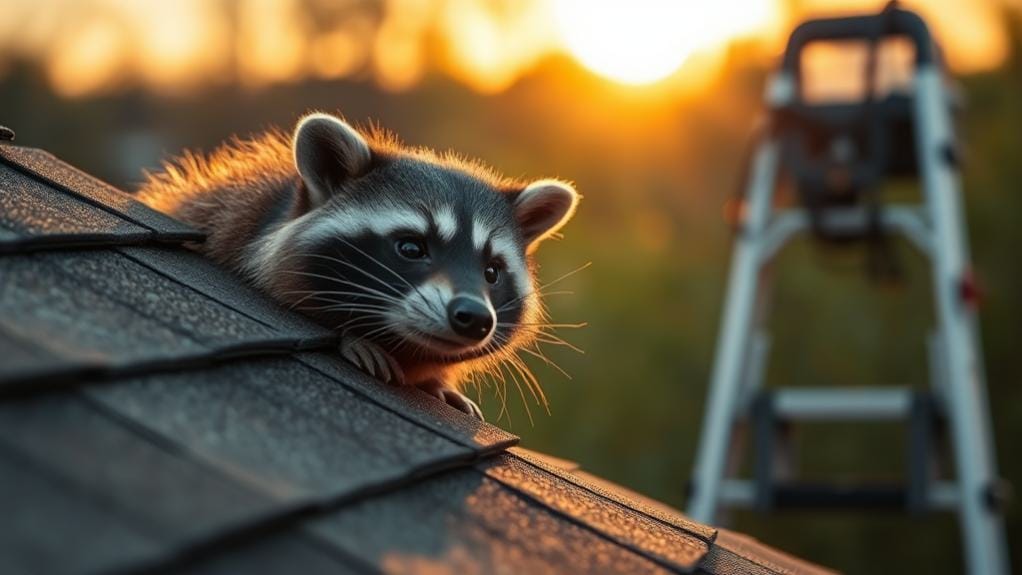
Removing raccoons from your roof requires a combination of exclusion, deterrents, and habitat modification. Raccoons (Procyon lotor) access roofs by climbing trees, downspouts, and siding. They may be seeking shelter, food, or a route to the attic. This guide covers how to remove them safely and prevent re-entry.
Key Takeaways
- Trim tree branches at least 8 feet from the roofline to remove access routes.
- Install a chimney cap and cover all vents with 1/4 inch hardware cloth.
- Use motion-activated lights and sprinklers to deter raccoons from the roof.
- Call a professional if raccoons have entered the attic or if you cannot safely access the roof.
In This Guide
Signs of Raccoons on Your Roof
- Thumping and scratching sounds at night, especially near the roofline or chimney.
- Damaged shingles that have been ripped up or displaced.
- Droppings on the roof, deck, or patio below roof access points.
- Damaged vent covers that have been pushed in or chewed.
- Paw prints on siding, downspouts, or windows near the roof.
How to Remove Raccoons From the Roof
- Identify the access point. Inspect the roofline for damaged soffits, loose vents, or gaps. Raccoons typically use the same entry point repeatedly.
- Trim tree branches at least 8 feet from the roofline. This removes the primary access route for most raccoons.
- Install motion-activated deterrents. Place a motion-activated sprinkler or light on the roof near the entry point. Raccoons are neophobic.
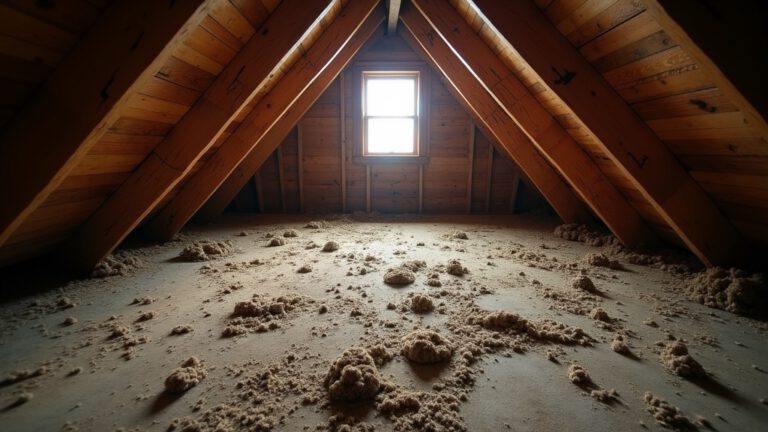
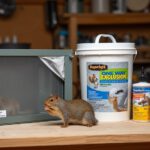
- Install a one-way exclusion door if raccoons have entered the attic. Place it over the entry point. The raccoon can exit but cannot re-enter.
- Seal all entry points permanently. Once the raccoon is gone, seal every gap with 1/4 inch hardware cloth and galvanized steel flashing. Install a chimney cap.
Prevention
- Trim tree branches at least 8 feet from the roofline.
- Install a chimney cap with 1/4 inch mesh.
- Cover all vents with 1/4 inch hardware cloth.
- Install downspout guards to prevent climbing.
- Remove food sources like bird feeders and garbage near the house.
For more, read our raccoon roof guide and attic removal guide.
Frequently Asked Questions
How do raccoons get on the roof?
Raccoons climb trees, downspouts, vines, and siding to reach roofs. They can also jump from overhanging branches. Their sharp claws and strong hind legs make them excellent climbers. Installing downspout guards and trimming trees removes their primary access routes.
Will a raccoon leave the roof on its own?
Raccoons may leave on their own if they do not find food or shelter. However, if they have established a den in the attic or chimney, they will stay. Active removal methods are usually necessary.
Can raccoons damage roof shingles?
Yes. Raccoons can rip up asphalt shingles, especially at the edges and corners, to access the attic or create a nesting spot. They may also damage flashing around chimneys and vents. Repair damaged shingles promptly.
How much does it cost to remove raccoons from a roof?
Professional raccoon removal from a roof costs $200 to $600, including inspection, exclusion, and chimney cap installation. DIY removal costs $30 to $100 for materials like hardware cloth and chimney caps.
The Bottom Line
Removing raccoons from your roof requires trimming tree branches, sealing entry points, and using motion-activated deterrents. If raccoons have entered the attic, use a one-way exclusion door. The most important prevention step is a chimney cap with 1/4 inch mesh and covering all vents with hardware cloth. Raccoons are persistent, but a combination of exclusion and deterrents will keep them off your roof.