Table of Contents
Scratching sounds in your walls, droppings in the attic, and chewed entry points are clear signs of squirrels in your house. Eastern gray squirrels (Sciurus carolinensis) and fox squirrels (Sciurus niger) can enter through gaps as small as 1.5 inches. Early detection is key to preventing costly damage. This guide covers 10 signs to watch for.
Key Takeaways
- Scratching sounds at dawn and dusk are the most common early sign of squirrels in your house.
- Chewed entry points near rooflines indicate active squirrel access.
- Droppings in the attic can carry diseases and attract other pests.
- Early detection prevents damage to wiring, insulation, and structural components.
In This Guide
1. Scratching and Scurrying Sounds
The most common early sign of squirrels in your house is scratching, scurrying, or gnawing sounds coming from the walls, attic, or ceiling. Squirrels are most active at dawn and dusk. If you hear noises during the day, it is likely squirrels. Nocturnal sounds usually mean rats or raccoons.
2. Droppings
Squirrel droppings are oblong, 3/8 inch long, similar to a grain of rice. They are often found near entry points, in the attic, or along wall tops. Squirrel droppings can carry salmonella and leptospirosis. Always wear protective gear when cleaning them.
3. Chewed Entry Points
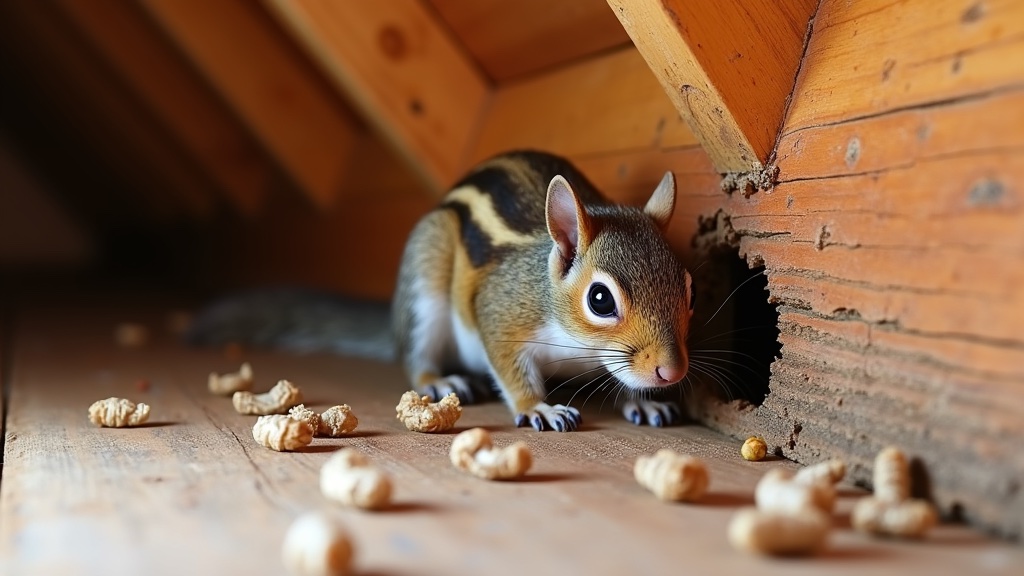
Squirrels chew through wood, vinyl, and aluminum to create entry points. Look for chewed holes near rooflines, eaves, soffits, and fascia boards. Holes are typically the size of a golf ball or larger. Fresh chew marks have light-colored wood exposed.
4. Nesting Material
Squirrels build nests using leaves, twigs, shredded insulation, paper, and fabric. If you find nesting material in your attic, walls, or crawlspace, squirrels are likely living there. Active nests will have fresh material and a musky odor.
5. Tracks and Grease Marks
Squirrels leave greasy smudge marks along their travel routes as they squeeze through tight spaces. Check along rooflines, rafters, and around entry points for dark, oily stains. You may also see paw prints in dusty areas.
6. Damage to Wires and Insulation
Squirrels chew on electrical wiring, which can create fire hazards. They also tear up insulation for nesting material. Check your attic for chewed wires, torn insulation, and signs of gnawing on wood beams.
7. Daytime Sightings
Seeing squirrels entering or exiting your roofline during the day is a clear sign of infestation. Watch for squirrels carrying nesting material or food into soffits, vents, or attic openings.
8. Unusual Odors
A musky, ammonia-like odor in the attic indicates squirrel urine accumulation. A dead squirrel in the wall will produce a strong, sweet, putrid smell. Both require prompt attention.
9. Garden Damage
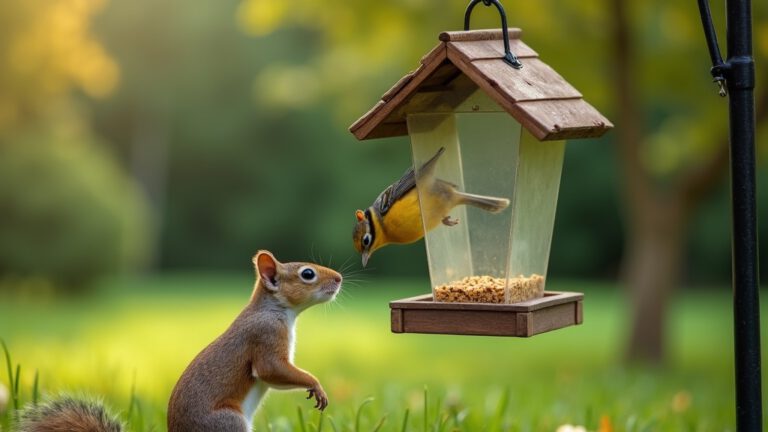
Squirrels dig up bulbs, eat fruits and vegetables, and damage bird feeders. If you notice garden damage combined with any of the signs above, squirrels may have entered your home from the yard.
10. Professional Inspection
If you notice multiple signs but cannot find the entry point, call a professional wildlife control operator. They have the equipment and experience to locate hidden entry points and assess the extent of the infestation.
For more, read our squirrel noise guide and squirrel damage guide.
Frequently Asked Questions
What is the first sign of squirrels in the house?
Scratching and scurrying sounds from the attic or walls, especially at dawn and dusk, are usually the first sign. If you hear noises during the day, it is almost certainly squirrels.
How do I know if squirrels are in my walls?
Listen for scratching sounds inside walls during daylight hours. Look for chewed entry points near rooflines, droppings in the attic, and grease marks around potential entry holes.
What does squirrel damage look like?
Squirrel damage includes chewed wood and wiring, torn insulation, nesting material, droppings, and greasy smudge marks along travel routes. Entry holes are typically the size of a golf ball.
Can squirrels cause structural damage?
Yes. Squirrels can chew through wood beams, drywall, and electrical wiring, creating fire hazards and structural weakening. They can also damage insulation, reducing energy efficiency. Prompt removal is essential.
The Bottom Line
Early detection of squirrels in your house can save you thousands in repair costs. Listen for scratching sounds, check for droppings and chewed entry points, and inspect your attic regularly. If you notice multiple signs, call a professional before the damage escalates. Squirrels can cause significant damage to wiring, insulation, and structural components, and they reproduce quickly.